

Father Muller Medical College Hospital Showcases Green Healthcare Initiatives at NABH National Patient Safety Conference in Delhi
Selected for a national-level presentation, FMMCH highlights sustainable environmental practices, responsible resource management and resilience in healthcare delivery
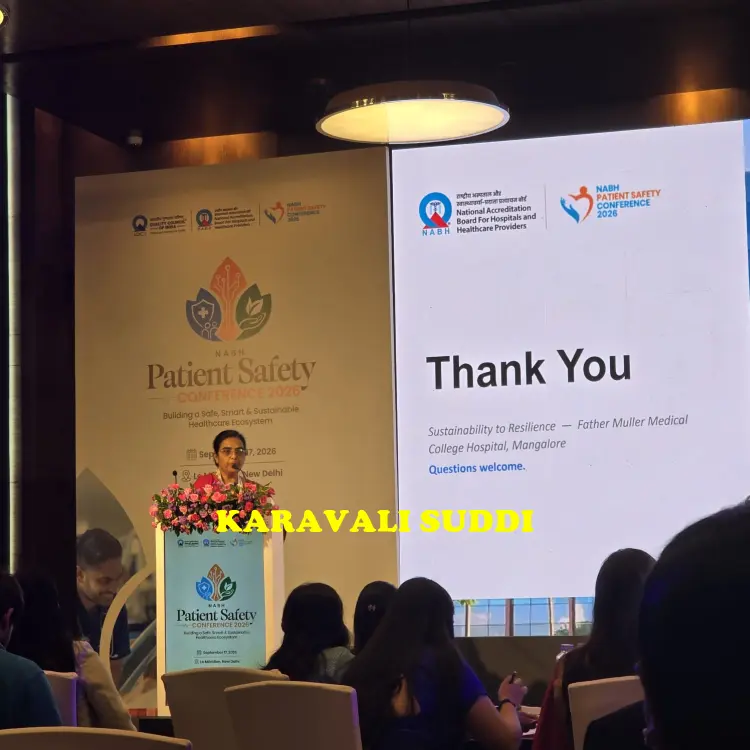
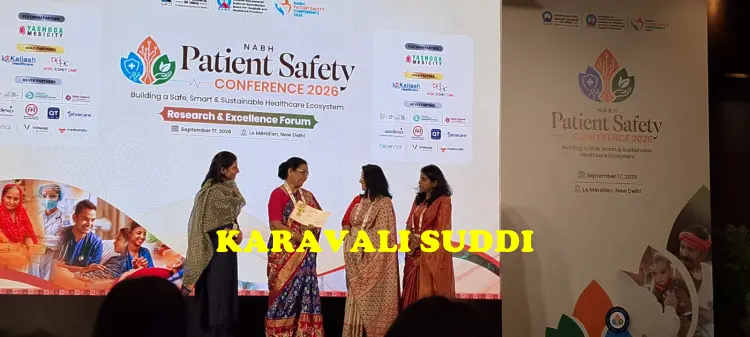
Father Muller Medical College Hospital (FMMCH), Mangaluru, has brought its commitment to sustainable and resilient healthcare to the national stage, with its paper on environmental sustainability and crisis preparedness selected for presentation at the NABH National Patient Safety Conference held at Le Méridien, New Delhi, on 17 September 2026.
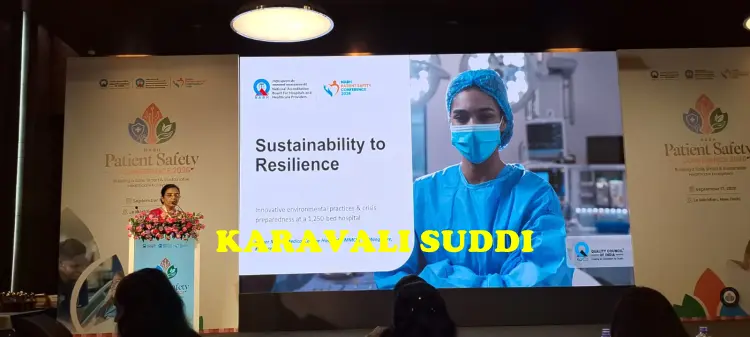
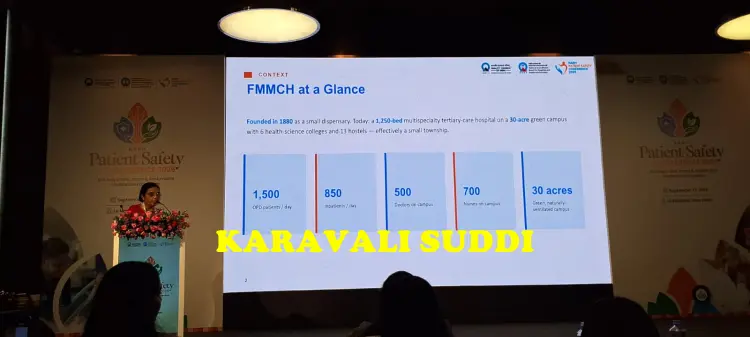
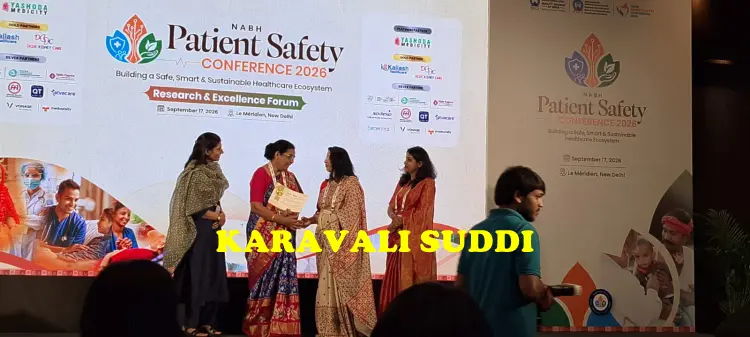
Under the guidance of Administrator Rev. Fr George Jeevan Sequeira and Assistant Administrator Rev. Fr William Dsouza, the hospital was represented by Chief Quality Manager Dr Helen Gnanakalanjiam, who presented the paper titled “Sustainability to Resilience – Innovative Environmental Practices & Crisis Preparedness.” The paper was selected under the category of Climate-Resilient and Sustainable Healthcare, alongside two other papers in the same category, and FMMCH was invited to present its initiatives at the conference with complimentary registration.
The presentation highlighted the hospital’s integrated approach to environmental responsibility, demonstrating how sustainability can be incorporated into everyday hospital operations without compromising patient safety, service quality or continuity of care.

Harnessing Renewable Energy for a Greener Hospital:
Recognising the importance of reducing dependence on conventional energy sources, FMMCH has embraced renewable energy initiatives, including the use of solar and wind energy. These efforts reflect the institution’s commitment to exploring cleaner energy alternatives, promoting responsible energy consumption and reducing the environmental impact of its operations. In a healthcare setting where uninterrupted power is essential for patient care, such initiatives also underline the importance of balancing environmental responsibility with operational reliability.

Promoting Green Mobility and Responsible Resource Use:
FMMCH’s sustainability initiatives extend beyond energy conservation to encourage environmentally conscious practices across the institution. The promotion of green mobility forms part of its efforts to foster more sustainable transportation choices and reduce the environmental footprint associated with daily activities.
The hospital’s approach also emphasises the responsible use of resources, encouraging practices that reduce unnecessary consumption and support a more environmentally conscious institutional culture. By integrating sustainability into routine operations, FMMCH seeks to make environmental responsibility a shared commitment among its departments, staff and service teams.

Water Recycling and Conservation:
Water is an indispensable resource in healthcare, with substantial requirements for sanitation, hygiene, cleaning and other hospital services. FMMCH has incorporated water recycling into its sustainability efforts, reflecting its commitment to conserving water and promoting its responsible use.
Such measures are particularly significant for large healthcare institutions, where resource conservation must go hand in hand with stringent hygiene and infection-prevention standards. The hospital’s initiatives demonstrate the importance of incorporating environmental considerations into essential support services and infrastructure management.

Reducing Plastic Usage Through Sustainable Alternatives:
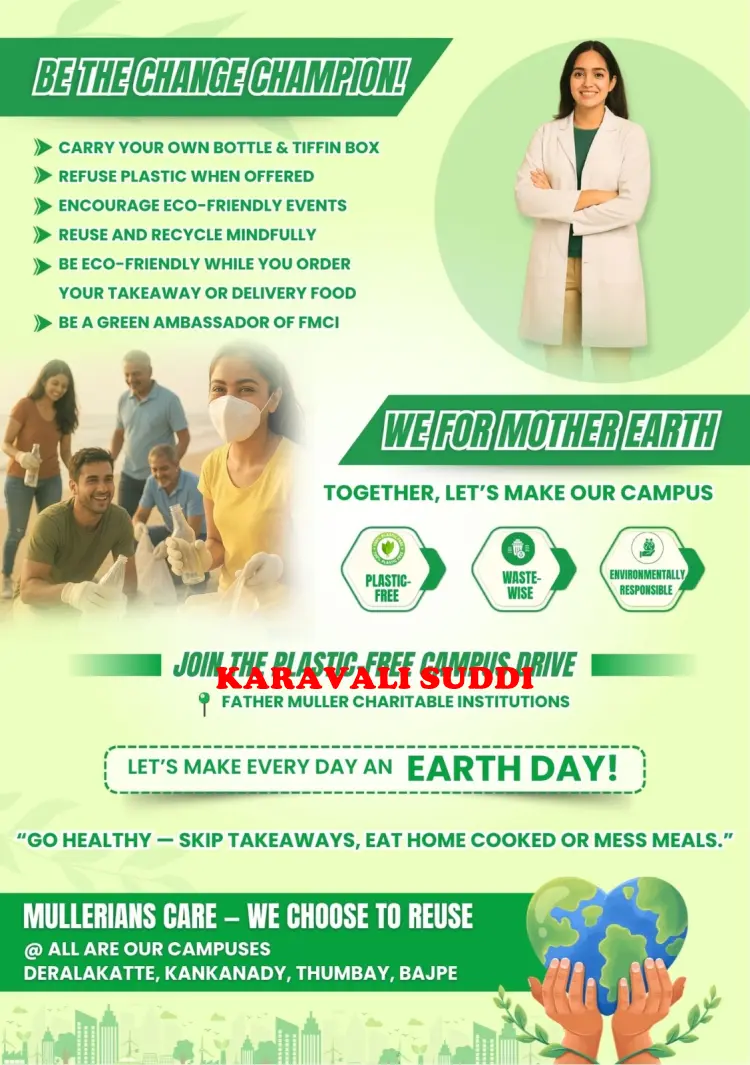
In its efforts to minimise plastic waste, FMMCH has introduced practical alternatives to conventional disposable materials. The use of reusable steel tiffin containers and biodegradable packaging represents an important step towards reducing dependence on single-use plastics in appropriate areas of hospital operations.
These measures encourage reuse, reduce avoidable waste and promote more responsible consumption practices. By adopting alternatives that are better suited to its sustainability goals, the institution demonstrates how small, practical changes in daily routines can contribute to a broader culture of environmental stewardship.
The initiative also highlights the role of staff participation and operational discipline in making sustainability effective. The success of waste-reduction measures depends not only on the availability of alternatives but also on their consistent adoption across relevant activities.

Converting Kitchen Waste into a Valuable Resource:
One of the notable initiatives highlighted during the presentation was the composting of kitchen waste for use on the hospital’s farmland. Instead of treating biodegradable kitchen waste solely as refuse, the institution has adopted an approach that allows this organic material to be converted into compost and returned to the soil.
This practice supports the principles of a circular economy, in which waste from one activity becomes a useful resource for another. It also promotes responsible waste management while contributing to the maintenance of the hospital’s agricultural land.
The initiative illustrates how healthcare institutions can extend their sustainability efforts beyond hospital buildings and clinical services to include food-related operations, organic waste management and land stewardship. By linking kitchen waste management with agricultural use, FMMCH demonstrates a practical approach to reducing waste and making better use of available resources.

Crisis Preparedness – Ensuring No Meal Was Missed:
A significant highlight of the presentation was FMMCH’s response to the LPG supply disruption in March 2026. The disruption posed a challenge to kitchen operations, where uninterrupted meal preparation is essential to the well-being of admitted patients and the smooth functioning of hospital services.
Despite the disruption, FMMCH successfully maintained continuity in meal services, ensuring that not a single meal was missed. The experience demonstrated the importance of preparedness, adaptability, coordination and the ability to respond effectively when essential resources become temporarily unavailable.
For a hospital serving patients with diverse clinical and nutritional needs, maintaining food services during a supply disruption is a critical component of patient care. The experience highlighted how operational resilience must complement environmental sustainability, enabling the institution to respond to unforeseen challenges while continuing to meet its responsibilities towards patients.
The episode also reinforced a central message of the paper: sustainable healthcare is not limited to reducing environmental impact. It must also encompass the capacity to anticipate disruptions, adapt to changing circumstances and maintain essential services during periods of uncertainty.
Building a Culture of Sustainable and Resilient Healthcare:
FMMCH’s participation in the NABH National Patient Safety Conference provided an opportunity to share its environmental initiatives and crisis-response experience with a national audience. The selection of its paper under the Climate-Resilient and Sustainable Healthcare category placed the institution’s work within the wider healthcare conversation on integrating environmental sustainability with patient safety and quality improvement.
The initiatives presented—from renewable energy and green mobility to water recycling, plastic reduction, composting and continuity planning—illustrate the multiple dimensions of sustainable healthcare. Together, they reflect an approach that considers the environmental consequences of hospital operations while recognising the non-negotiable need for safe, reliable and uninterrupted patient care.
You could add the following section after “Reducing Plastic Usage Through Sustainable Alternatives” to highlight the Plastic-Free Campus initiative and its impact on the institutional community.

Plastic-Free Campus Initiative – Creating Awareness and Inspiring Responsibility:
A significant step in FMMCH’s journey towards environmental sustainability has been its Plastic-Free Campus Initiative – Phase One, which received an encouraging response from faculty members, staff, students and patients. The initiative sought not only to reduce plastic usage within the campus but also to create greater awareness of the environmental consequences of improper waste disposal and the shared responsibility of maintaining a cleaner, more sustainable healthcare environment.
A key component of the initiative was the creation of awareness videos that brought attention to the often-overlooked challenges faced by the campus’s waste segregation workers. The videos highlighted the difficult conditions under which these workers operate, particularly the enormous volume of dry waste they are required to handle and segregate. By bringing their everyday struggles into focus, the initiative encouraged the institutional community to look beyond waste disposal as a routine activity and recognise the human effort involved in managing the waste generated on campus.

The videos served as a powerful reminder that responsible waste management begins with individual choices. Reducing unnecessary plastic use, segregating waste correctly and disposing of materials responsibly can significantly ease the burden on sanitation and waste management personnel while contributing to a healthier environment. The initiative thus connected environmental sustainability with dignity of labour, social responsibility and collective accountability.
The awareness videos received an encouraging response and were appreciated by like-minded non-governmental organisations (NGOs) and plastic-free campaigners, who commended FMMCH’s efforts to address plastic pollution and bring the realities of waste management into public focus. This appreciation reinforced the importance of institutional initiatives that combine practical environmental measures with meaningful public awareness.
The first phase of the Plastic-Free Campus Initiative reflects FMMCH’s belief that lasting environmental change requires more than infrastructure and policies; it calls for a change in attitudes and everyday habits. By engaging its faculty, staff, students and patients, the hospital is fostering a culture in which reducing plastic waste, practising responsible segregation and respecting the work of waste management personnel become integral to campus life.

Through this initiative, FMMCH continues to strengthen its commitment to a cleaner, more responsible and sustainable healthcare environment, demonstrating that a plastic-free campus is not merely an environmental goal but a collective commitment to protecting people, resources and the planet.
Under the leadership of Rev. Fr George Jeevan Sequeira and Rev. Fr William Dsouza, and through the quality and sustainability initiatives highlighted by Dr. Helen Gnanakalanjiam, FMMCH continues to demonstrate the relevance of environmentally responsible practices in a complex healthcare environment.
This statement can be incorporated towards the conclusion of the report, before the final paragraph, to reflect the institutional leadership’s vision and the connection with the Diocese of Mangalore’s Laudato Si’ campaign.

Leadership Vision – A Continuing Commitment to Laudato Si’:
Speaking on the institution’s commitment to sustainability, Rev. Fr Faustine Lucas Lobo, Director of Father Muller Charitable Institutions (FMCI), emphasised that environmental responsibility is a continuous process that calls for necessary changes, adaptability and a willingness to evolve in response to the changing needs of the institution and the growing concerns for the environment.
He highlighted that sustainability is not a one-time initiative but a constant cycle of reviewing existing practices, embracing meaningful changes and adapting institutional operations to ensure that the needs of healthcare delivery are met without losing sight of environmental stewardship. As a healthcare and educational institution, Father Muller recognises its responsibility to lead by example by integrating environmentally conscious practices into its everyday functioning and nurturing a sense of ecological responsibility among its staff, students and the wider community.
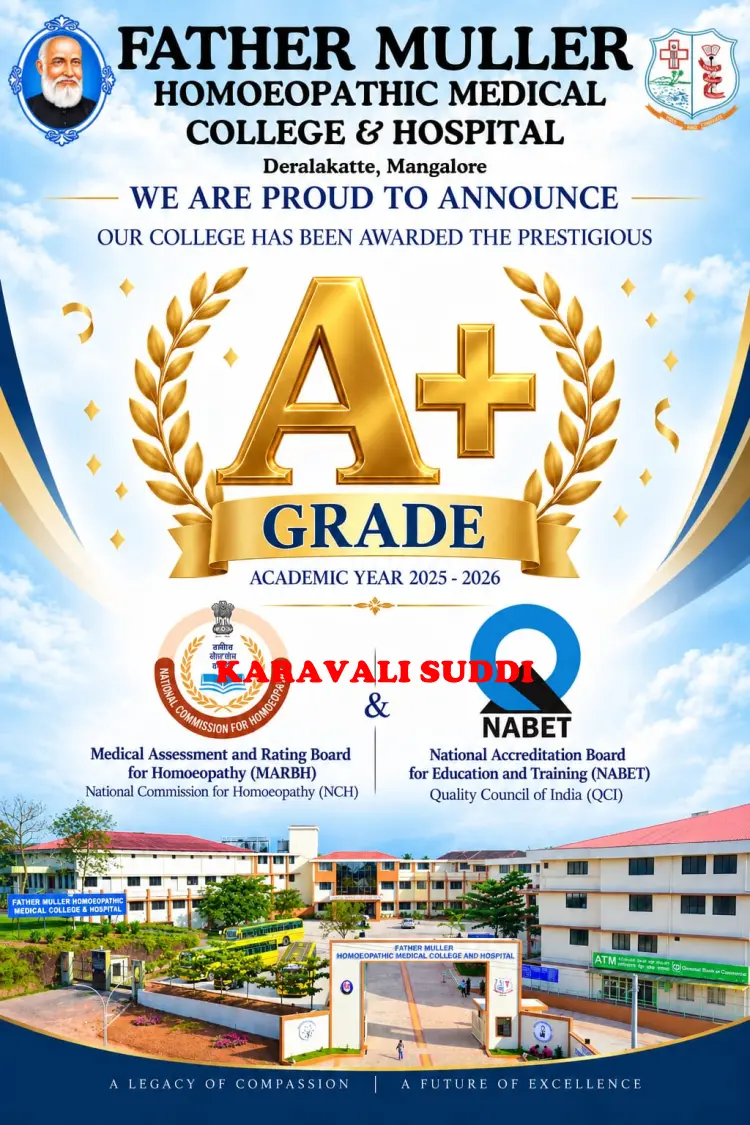
As institutions functioning under the Diocese of Mangalore, Father Muller Medical College Hospital and its constituent colleges are also committed to championing the environmental vision of the Bishop of Mangalore through the Laudato Si’ campaign
Through its initiatives in renewable energy, waste reduction, water conservation, plastic-free practices and crisis preparedness, Father Muller seeks to translate this vision into meaningful action. The institution’s efforts reflect the understanding that caring for the sick and vulnerable must go hand in hand with caring for the environment that sustains all life. This continuing journey of adaptation and improvement reaffirms Father Muller’s resolve to make sustainability an integral part of its institutional culture and mission.
By sharing these experiences at a national forum, Father Muller Medical College Hospital reaffirms its commitment to building a healthcare system that is environmentally conscious, operationally resilient and firmly centred on patient welfare. Its initiatives underscore the principle that caring for patients and caring for the environment are complementary responsibilities in the pursuit of safer, more sustainable healthcare.